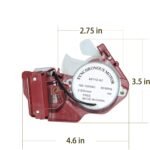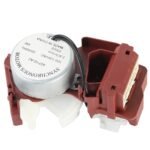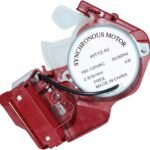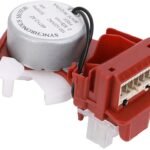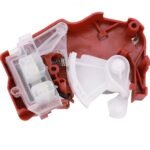
W10006355 Shift Actuator: Technical Breakdown For North‑American Front‑Load Washer Aftermarket
In North‑American appliance aftermarket, W10006355 shift actuator assembly is one of the high‑volume service replacement parts for front‑loading washers.
This complete unit combines 49TYZ‑E120A synchronous motor and EG330033 position‑switch module, UL‑listed, rated AC 120V 60Hz, 4W output, 3RPM bidirectional CW/CCW rotation. It fits a wide range of Whirlpool‑platform front‑load washers.
A common pitfall among field technicians: when the washer fails to shift agitation modes or throws drain‑related error codes, many techs immediately suspect the main control board and order expensive mainboard replacements. In numerous real‑world service cases, the root cause lies within this shift actuator assembly.
Two primary failure points of this unit:
1. 49TYZ‑E120A synchronous motor: Repeated cyclic operation causes internal magnet wear and torque decay. Symptom: motor hums, yet cannot drive gear mechanism to complete mode shift. Strict rating matching is critical: only use the 120V 60Hz variant; 220V motors will burn out instantly.
2. EG330033 contact switch block: Cycles of power‑on & power‑off bring contact oxidation and burn‑off. The main board loses position feedback signal, triggering fault codes and blocking washing cycles.
Key Sourcing Notes For Distributors
Many generic aftermarket copies only replicate outer housing appearance, while ignoring motor RPM, contact timing sequence and UL safety compliance. Parts may physically fit, but trigger intermittent error codes after installation, leading to high return volumes.
Checklist for qualified assemblies:
① Motor marking 49TYZ‑E120A, confirm 120V‑60Hz, 3RPM CW/CCW
② Verify switch block part number EG330033
③ Valid UL safety marking on full assembly
④ Cross‑reference number: W10006355, KT‑155052.1_rev012
For appliance part distributors, memorizing part numbers alone is insufficient. Understanding working principle and typical failure modes allows you to deliver practical technical guidance for repair shops, and keep return rates under control.
When end‑users report mode‑shift malfunctions, suggest inspecting the shift actuator first instead of replacing costly main control boards, helping repair shops cut service expenses.